
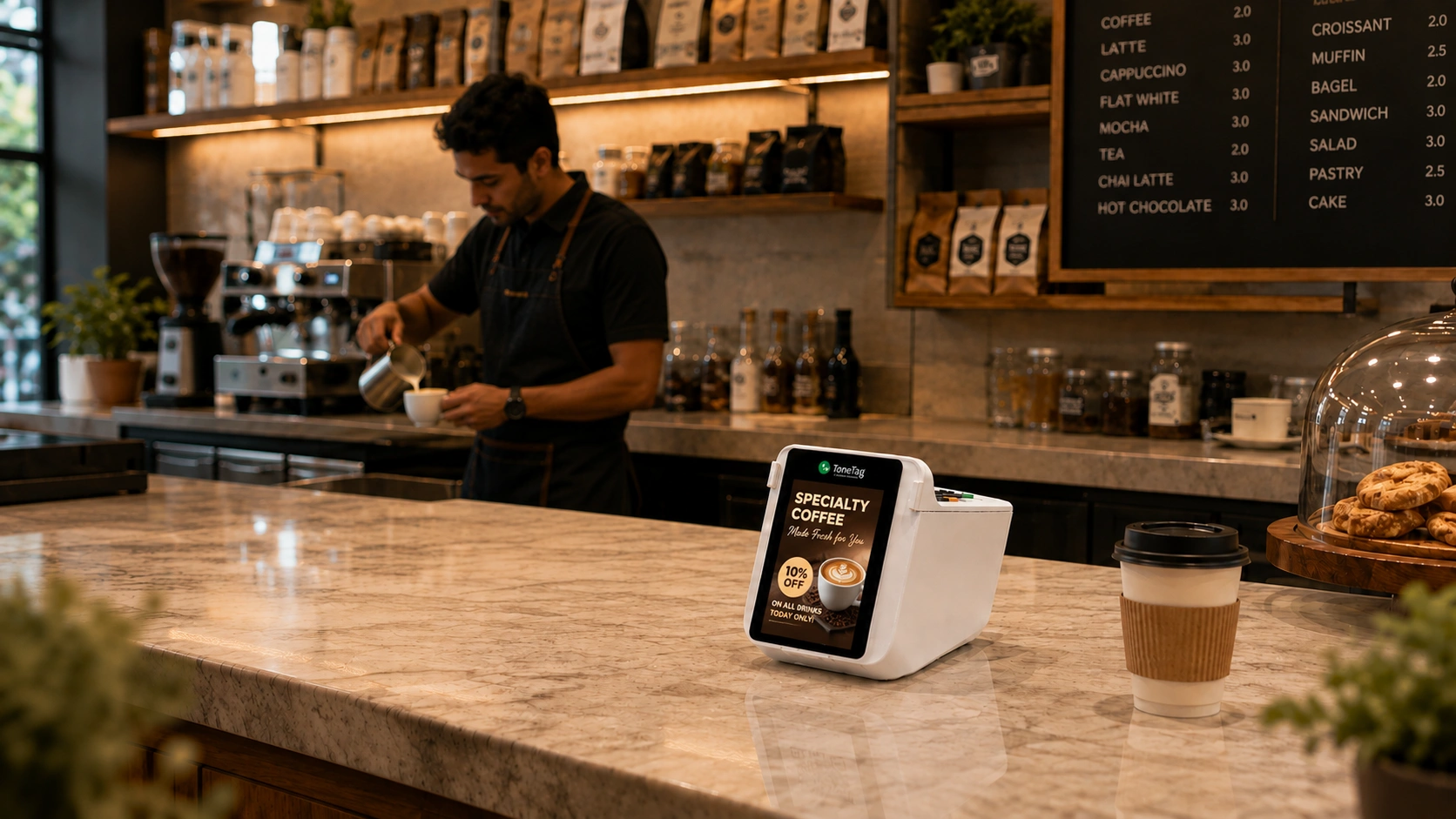
Walk into a busy QSR at lunch hour and count the devices on the counter. One from the acquiring bank. One from a fintech soundbox player. Sometimes a third from a loyalty aggregator. Each one is fighting for the same square foot of laminate, and the merchant is quietly deciding which of them earns the space.
For banks, that decision is the difference between a 15-year relationship and a switch notice in month 14. The device has become the visible proxy for the entire banking relationship, making the merchant’s everyday experience a key driver of retention.
AI soundbox engagement strategies are helping banks turn those everyday interactions into lasting relationships.
Why Merchant Churn Is a Silent P&L Problem for Banks
Merchant churn quietly erodes acquiring economics. Onboarding costs, KYC verification, terminal deployment, and field-agent visits all front-load the investment, while margins recover only across the merchant’s active lifetime. The Reserve Bank of India’s payment system indicators show that acceptance infrastructure has expanded rapidly, but activation and sustained usage remain uneven across segments and geographies. When a merchant deactivates or shifts to a competing acquirer, the bank loses more than transaction revenue. It loses cross-sell potential across current accounts, working capital, insurance, and payroll services.
The problem is compounded by device commoditisation. First-generation payment confirmation devices largely announced a single event. They did not converse, did not understand context, and did not evolve with the merchant. A silent device on a busy QSR counter or a fuel forecourt gives the bank no reason to matter beyond settlement day.
What Makes AI Soundboxes Different From First-Generation Devices
AI-enabled devices shift the interaction from confirmation to conversation. Instead of announcing an amount and going quiet, they respond, guide, remind, and educate, all in the merchant’s preferred language. Voice-first interfaces work in noisy, connectivity-constrained environments where screens and apps struggle, which matters for the long tail of Indian MSMEs.
eKosha, ToneTag’s flagship device, is built on this principle. Its positioning, Banking Beyond Branches. Voice-First for Every MSME., reflects a shift in how banks can serve merchants at the countertop. Conversational AI runs at the edge, meaning most interactions happen on-device without a round trip to the cloud. That reduces latency, protects merchant data, and keeps the device useful even when connectivity fluctuates. Banks looking to extend the same conversational logic across other endpoints can review ToneTag’s agentic AI payments layer, which applies similar principles to app, IVR, and device-led flows.
Engagement Strategies That Turn Devices Into Retention Tools
The strongest retention lever is not the hardware itself. It is what the hardware enables the bank to do every day. A few strategies worth building around:
- Contextual voice nudges: The device can prompt the merchant about pending settlements, or low balance thresholds, converting routine notifications into useful guidance.
- Language-native financial coaching: Short, spoken tips on cash flow, credit eligibility, or reconciliation delivered in the merchant’s language build trust that a smartphone app rarely earns.
- Cross-sell at the moment of relevance: When a merchant’s daily collections cross a threshold, the device can surface a pre-approved working capital offer, timed to the moment the need is real.
- Loyalty and network effects: Voice-driven cashback, referral prompts, and campaign participation give merchants a reason to keep the device active and prominent.
These interactions turn the acquiring device into a retention asset. eKosha demonstrates this by combining payment confirmation with conversational banking, allowing banks to run structured engagement programmes without deploying additional infrastructure. ToneTag’s proximity payments protocol underpins this by enabling reliable acceptance across sound, QR, and NFC methods on the same device.
Measuring Impact From Activation to Lifetime Value
Retention programmes only work if they are measured. Banks should track device activation within the first 30 days, weekly active usage, feature adoption across languages and services, and cross-sell conversion from device-triggered offers. Analyses from firms such as PwC India and Kearney have consistently highlighted that merchant lifetime value in Indian acquiring is driven far more by engagement depth than by initial acceptance volume. AI-enabled devices give banks a granular view of each merchant’s behaviour, including which prompts resonate, which languages perform best, and which offers convert.
Reconciliation and analytics workflows can be built on top of this data. ToneTag’s developer documentation outlines how banks and their integration partners can access engagement events, transaction confirmations, and merchant preferences through SDKs and APIs, without disturbing existing core banking systems.
Building the Right Stack for Long-Term Retention
For banks planning a rollout, three questions matter more than device specifications. First, does the platform support engagement, not just confirmation. Second, does it work offline and in low-connectivity zones where a meaningful share of merchants operate. Third, does it integrate cleanly with the acquiring stack, CRM, and analytics layers without a multi-quarter overhaul.
ToneTag’s hardware product approach is designed for exactly this. Edge AI processing, modular SDKs, and support for multiple acceptance rails let banks deploy devices that stay relevant as merchant needs evolve. For a broader view of how sound-based and proximity acceptance fits into modern acquisition, ToneTag’s voice-based payments guide is a useful reference point for product and acquiring teams.
Turning Retention Into a Programmatic Advantage
Merchant churn is not solved by a better plastic box on the counter. It is solved by a device that earns its place every day, in the merchant’s language, on the merchant’s terms. AI soundbox engagement strategies give banks a practical route to raise activation, deepen wallet share, and slow churn without rebuilding the acquiring stack from scratch. The banks that treat the countertop as an ongoing relationship, not a one-time deployment, will compound the advantage across product lines. Teams evaluating this shift can explore the ToneTag protocol to see how eKosha and the wider platform fit into an existing merchant programme, or talk to the ToneTag team about a phased rollout aligned to their acquiring roadmap.
Frequently Asked Questions
How do AI soundboxes help banks reduce merchant churn?
AI soundboxes replace one-way payment announcements with two-way conversations. They nudge merchants about settlements and pre-approved offers in the merchant’s own language, keeping the bank relevant beyond transaction confirmations. This daily presence increases stickiness and gives acquiring teams live signals on activation, feature adoption, and cross-sell opportunities. Because engagement runs at the edge, it works even in low-connectivity locations. Over time, this converts the device from a commoditised accessory into a retention asset, lowering deactivation rates and improving merchant lifetime value across the acquiring portfolio.
What is the difference between a traditional soundbox and an AI-enabled device like eKosha?
Traditional soundboxes confirm a payment and go quiet. They do not learn, respond, or personalise. eKosha applies edge-based conversational AI, so the device understands context, speaks the merchant’s language, and can guide merchants through settlements, offers, and simple banking queries. It also supports multiple acceptance rails, including sound, QR, and NFC, on the same unit. For banks, this means one deployment can drive both acceptance and engagement, rather than requiring separate hardware for confirmation and merchant communication.
Can banks measure ROI from AI soundbox engagement programmes?
Yes. Banks can track 30-day activation rates, weekly active usage, feature adoption by language, cross-sell conversion from device-triggered offers, and reduction in early-life deactivations. AI-enabled devices generate structured event data that flows into acquiring analytics and CRM systems through standard SDKs and APIs. This lets product and merchant teams attribute working capital disbursals, current account upgrades, and insurance attached to specific engagement journeys. Over successive quarters, the data supports A/B testing of prompts, languages, and offer timing, turning retention into a measurable, programmatic function rather than a qualitative effort.
How does eKosha support bank-led merchant retention strategies in India?
eKosha is designed for Indian merchant realities, including multilingual usage, intermittent connectivity, and the need for banking guidance at the counter. Its edge AI processing runs interactions on-device, protecting merchant data and reducing cloud dependency. Banks can configure voice nudges, cross-sell prompts, and language-native financial coaching without heavy backend rework. The device sits within ToneTag’s wider protocol, so acceptance across sound, QR, and NFC methods stays consistent. For acquiring teams, this means one deployment supports payments, engagement, and cross-sell without stacking additional infrastructure on the merchant’s counter.
What should banks look for when choosing an AI soundbox platform for merchant engagement?
Banks should evaluate three areas. First, engagement capability, meaning whether the platform supports conversational nudges, multilingual coaching, and offer delivery, not just payment confirmation. Second, resilience, including edge processing, offline usage, and support for multiple acceptance rails on the same device. Third, integration depth, covering SDKs, APIs, event streams, and compatibility with existing acquiring, CRM, and analytics systems. Security posture, including on-device authentication and encrypted local data handling, should be reviewed with the vendor. A platform that scores well on all three tends to deliver durable retention rather than short-term activation.